

A growing business finds the right office, likes the location, starts thinking about desks, meeting rooms, and how the team will use the space. Then the lease arrives. Excitement quickly turns into caution because that document will shape far more than rent. It will affect how the space can be fitted out, how flexible the business can be, what happens if the team size changes, and what the final exit bill might look like.
That’s why an office space lease should never be treated as a legal formality. It is the framework for the whole workplace strategy. A poor lease can trap a business in the wrong layout, delay fit-out works, and create a painful end-of-term dispute. A well-negotiated lease can do the opposite. It can protect cash flow, support hybrid working, and make the fit-out far more efficient.
In 2026, that matters more than ever. Businesses want better use of space, more adaptability, and fewer unpleasant surprises. The lease is where those outcomes are either enabled or blocked.
Table of Contents
- Introduction The Next Chapter For Your Business Starts With A Lease
- Decoding UK Office Lease Types for 2026
- The Office Leasing Process and Timeline
- Key Lease Clauses You Cannot Ignore in 2026
- Budgeting Beyond the Rent Hidden Costs to Plan For
- How Your Lease Shapes Your 2026 Office Fit-Out Strategy
- The End Game Planning For Dilapidations From Day One
- The Decision Maker’s Checklist For Lease and Fit-Out Success
- Conclusion Your Workspace Is Your Strategic Asset
- CTA
Introduction The Next Chapter For Your Business Starts With A Lease
The next office often feels like a fresh start. A business may be growing, hiring, or trying to bring people together more effectively. The shortlist looks good, the area feels right, and the team can already picture themselves in the space. That is usually the point where hidden complexity starts to appear.
An office lease isn’t just about securing square footage. It controls who can change what, when approvals are needed, how costs are shared, and what condition the property must be returned in at the end. Many problems blamed on fit-out, landlord relations, or budget overruns start in the lease itself.
Practical rule: If a business signs the lease first and asks design questions later, it usually gives away negotiating power.
That matters for businesses taking space in places such as Chelmsford or elsewhere in Hertfordshire, where teams often need a workplace that can adapt as working patterns change. The lease needs to support that reality, not resist it.
The strongest approach is simple. Read the lease through an operational lens, not just a legal one. Ask how it affects layout, services, future changes, reinstatement, and exit. That shift turns the lease from a risk document into a planning tool.
Decoding UK Office Lease Types for 2026
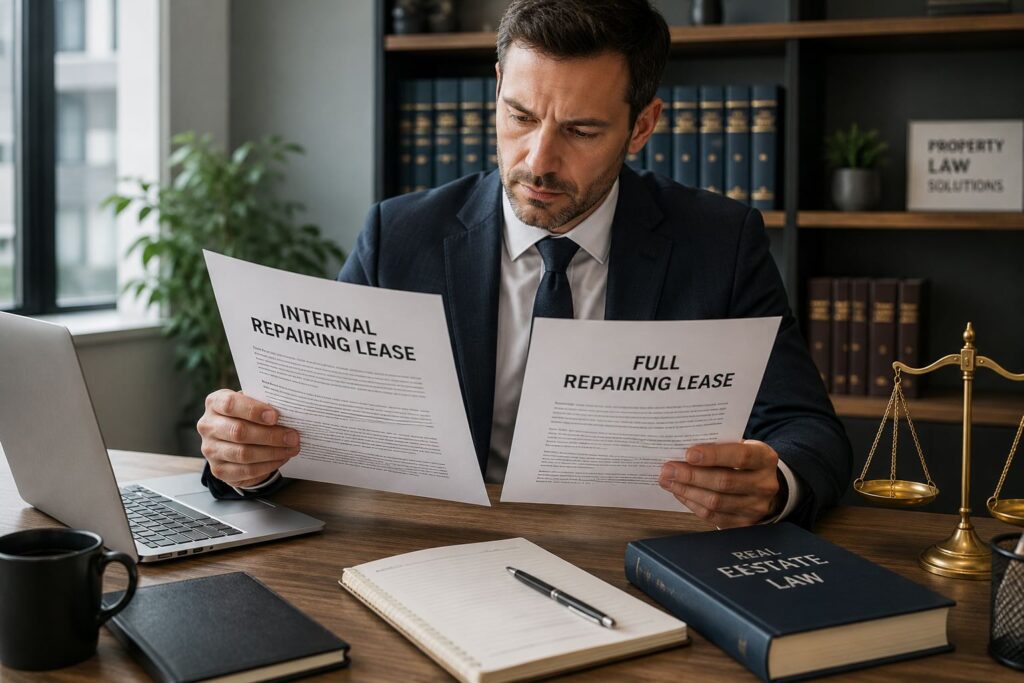
Some tenants enter the market thinking every office space lease works in more or less the same way. It doesn’t. The structure of the agreement changes how much control the tenant has, how much management work sits in-house, and how exposed the business is to later cost.
Three routes most tenants consider
The first is the serviced office. This is the easiest to start with because the space is already fitted out and the monthly cost is usually simpler to understand. It suits teams that need speed and low admin, but it can limit branding, layout control, and long-term value.
The second is the managed office. This sits somewhere between convenience and control. The operator usually handles more of the workplace delivery, but the tenant often gets more say over layout and identity than with a standard serviced model.
The third is the conventional lease, often with full repairing and insuring obligations. This gives the tenant the most control over the environment, but it also brings the most responsibility. For businesses with a clear workplace plan, this route can be stronger. For businesses that want low commitment and minimal oversight, it can become a burden.
| Feature | Conventional (FRI) Lease | Serviced Office |
|---|---|---|
| Control of layout | High, subject to lease and landlord consent | Low to moderate |
| Responsibility | Higher tenant responsibility | Lower day-to-day property responsibility |
| Best fit | Stable businesses wanting a tailored workplace | Teams needing speed and simplicity |
What the comparison means in practice
A conventional lease often works best when the workplace itself is part of the business strategy. That may include client-facing design, acoustic control, dedicated meeting space, or specific staff wellbeing needs. In that setting, paying for greater control can make sense.
A serviced office often works best when uncertainty is high. New teams, project offices, or short-term expansion moves may value flexibility more than bespoke design. The mistake is choosing this route and then expecting the same fit-out freedom as a conventional lease.
The key question isn’t which lease type is best in general. It’s which lease type matches how the business will use the space.
A short explainer can help frame those early conversations:
The cheapest-looking option on day one is not always the lowest-risk option over the full term.
Businesses searching around Cambridge often face exactly this trade-off. A flexible short-term setup may look attractive, but a conventional lease can be far more effective if the business needs a workplace built around its own operations.
The Office Leasing Process and Timeline
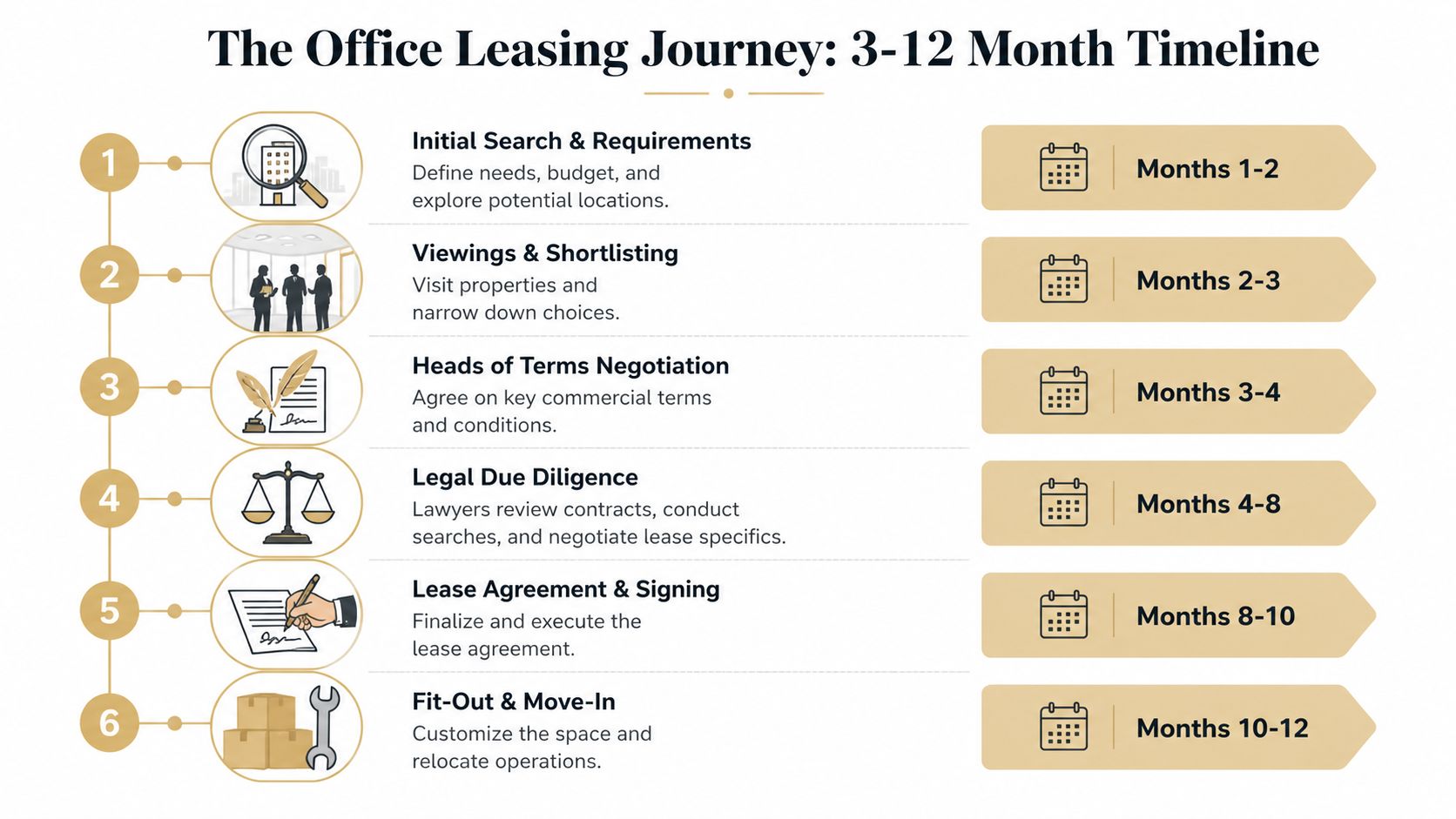
An office move usually feels urgent, but the leasing path is rarely quick. There are commercial discussions, legal reviews, technical questions, approvals, and then the fit-out itself. That’s why a rushed search often creates pressure later, when the team is trying to move in by a fixed date.
What happens before the solicitor gets involved
The strongest projects begin with a clear brief. The business needs to define how much space it needs, how the team works, what kind of client impression matters, and which operational needs can’t be compromised. Without that, viewings become guesswork.
After that comes property search and shortlisting. At this stage, many tenants compare rent but fail to compare practical suitability. A cheaper floorplate can become the more expensive option if it needs heavy adaptation or cannot support future reconfiguration.
Then comes the commercial stage, often captured in Heads of Terms. This part matters because it sets the tone before legal drafting starts. If break options, rent-free periods, landlord works, approvals, and reinstatement principles aren’t outlined early, the legal process often becomes slower and more adversarial.
A helpful outside reference for teams preparing for those discussions is BoloSign for commercial lease negotiation, especially for understanding the practical points that tend to matter before heads are agreed.
Where delays usually creep in
Delays usually come from one of four places:
-
Unclear requirements
Teams view too many properties because nobody has agreed what the business needs. -
Slow decision-making
Stakeholders disagree on budget, location, or space standards after negotiations have already started. -
Lease detail surfacing late
Repairing obligations, fit-out restrictions, or approval processes emerge after the preferred property has been chosen. -
Fit-out planning left too late
Designers and contractors are brought in after legal matters are nearly complete, leaving no room to test what the lease allows.
Watchpoint: Heads of Terms should reflect how the space will be used, not just what it costs.
A realistic timeline allows room for legal review, technical coordination, and pre-start approvals. The businesses that handle leasing well don’t only move fast. They sequence decisions properly.
Key Lease Clauses You Cannot Ignore in 2026
Some clauses in an office space lease seem harmless until the business tries to make a change. Then they become the difference between a manageable workplace and a frustrating one. In 2026, that matters even more because many teams need spaces that can shift between focused work, collaboration, and private calls.
Break clauses and business flexibility
A break clause is the tenant’s safety valve. It creates a route out before the full lease term ends, but only if the wording is practical and the conditions can realistically be met. A badly drafted break clause can look reassuring while being very hard to use.
This point has become sharper with hybrid working. 60% of UK staff adopt hybrid work, only 22% of London leases allow agile alterations without triggering full rent reviews, reconfigurable spaces can boost productivity by 18%, and 65% of managers face landlord pushback. The same source also notes that avoiding leases over 5 years and negotiating break clauses with a fit-out partner can support 20-30% cost efficiency (hybrid workspace and lease flexibility data).
That combination tells a clear story. Businesses want flexibility. Many leases still don’t provide it.
Alterations alienation and rent review
An alterations clause controls what the tenant can physically change. It can cover everything from partitions and finishes to meeting pods and service upgrades. If the drafting is tight, even sensible changes may need consent.
An alienation clause deals with assignment and subletting. That matters if the business grows, shrinks, merges, or wants to carve out part of the floor. Good flexibility here can protect a tenant from being overcommitted to more space than it needs.
A rent review clause determines how future rent is assessed. The key issue is not just whether there is a review, but what triggers it and whether physical changes to the space could affect it.
A lease that blocks adaptation is no longer just inconvenient. It can become a direct operational cost.
For businesses in Essex, this often comes down to realism. If the workplace is likely to evolve, the lease needs wording that accepts that from the start. Otherwise every new pod, room swap, or replan becomes a negotiation.
Budgeting Beyond the Rent Hidden Costs to Plan For
The rent is the visible number. It’s also the number that gets the most attention in negotiations. But for many occupiers, the bigger budgeting mistakes sit outside the headline rent.
Costs that sit outside headline rent
Service charge is one of the first blind spots. It can cover shared building costs such as maintenance, security, cleaning of common parts, and management fees. A building with strong amenities may be attractive, but the ongoing cost needs proper scrutiny.
Then there are business rates, insurance positions, utilities, connectivity, furniture, compliance items, and move costs. None of these are unusual. The problem is that teams often treat them as secondary, when they can materially change what the space really costs to occupy.
A practical way to sense-check likely fit-out cost before committing is to review a guide to pricing per square foot for office interiors. That won’t replace a project-specific budget, but it helps stop unrealistic assumptions from shaping the property search.
The two costs tenants underestimate most
The first is the initial fit-out. If the property isn’t ready for immediate use, the tenant may need to fund layout works, power and data changes, acoustics, decoration, furniture, and specialist spaces. These costs arrive early, when cash is already tied up in deposits, legal fees, and relocation.
The second is the end-of-lease exit cost. Many teams focus so heavily on getting into the building that they barely consider what it may cost to leave it in the required condition.
A sensible occupancy budget should include:
- Entry costs such as legal fees, deposits, surveys, and early design work
- Operational costs including service charge, rates, utilities, and maintenance exposure
- Capital costs for fit-out, furniture, and technology changes
- Exit costs tied to reinstatement, repairs, and lease-end obligations
Budget truth: A space can be affordable on rent and still be poor value over the life of the lease.
That is why the best budgeting exercises are not led by the rent alone. They are led by total occupancy cost.
How Your Lease Shapes Your 2026 Office Fit-Out Strategy
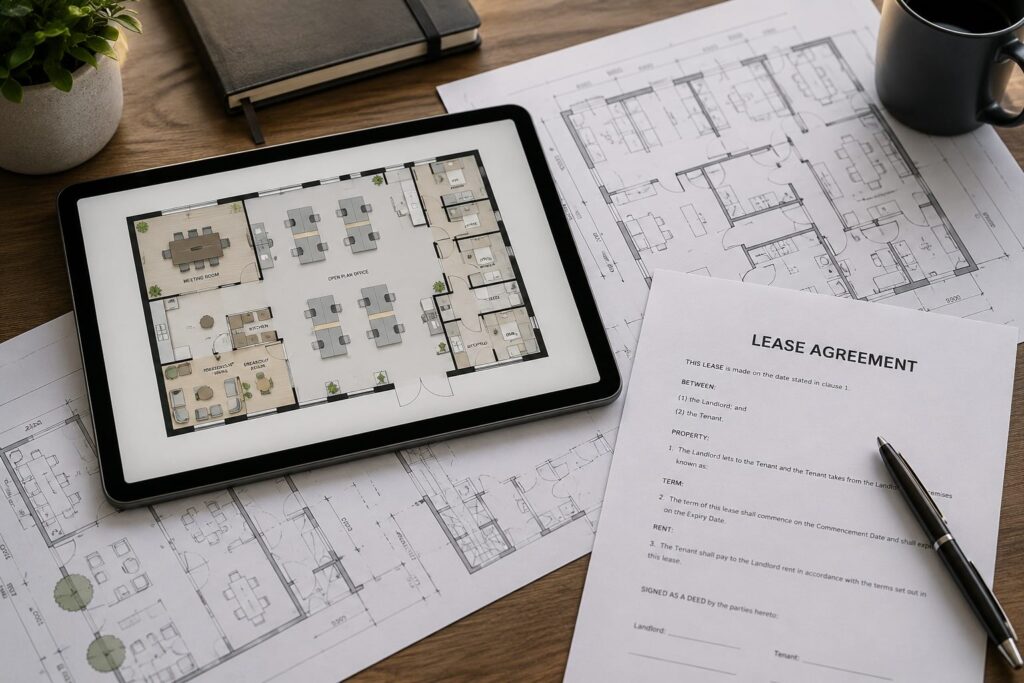
The lease and the fit-out are not separate tracks. They are tied together from the moment a property is shortlisted. If that link is missed, the tenant can end up designing a workplace that the lease does not properly support.
Why legal terms drive design choices
In UK office leases, tenants must secure a Licence to Alter from the landlord before starting fit-out works. That is a critical legal step, and it can shape programme, cost, and scope. Morgan Lovell’s fit-out checklist stresses the importance of discussing every proposed change so the right approvals are captured in time (Licence to Alter and fit-out checklist guidance).
That same source supports a wider commercial point. Proactive negotiation at lease signing can help tenants secure better terms, including reduced rent, because the tenant’s fit-out investment can strengthen its negotiating position. It also notes that improving an EPC from D to B can increase asset value by 10-15%, which creates a practical basis for discussing landlord contributions where the fit-out improves the building. In regional hubs such as Cambridge, a Cat B fit-out averages £450-£750 per square metre according to the same source.
For any team planning a customized workplace, this changes the conversation. The fit-out is not just a cost. It can also be a negotiating tool.
A useful companion read at this stage is planning your office renovation, especially for pressure-testing scope before legal commitments and approvals are finalised.
Fit-out investment should match lease reality
A short lease should usually push the design toward adaptable, lower-risk choices. Demountable systems, modular meeting spaces, and relocatable acoustic products often make more sense than hard-built solutions with heavy reinstatement exposure. Products from Vetrospace and Framery are often considered in this context because they can support flexibility more easily than fixed construction.
A longer lease can justify more bespoke work, but only if the business is confident the layout will stay useful over time. If growth, team structure, or operating model may shift, too much permanence can become expensive.
For businesses trying to understand what a finished tenant-ready scheme includes, a guide to what is a Cat B fit-out can help connect lease obligations to workplace scope.
The right fit-out brief starts with the lease, not the finishes board.
That is especially relevant for occupiers in Bishop’s Stortford and across Hertfordshire, where businesses often want a space that works now without locking themselves into the wrong physical setup later.
The End Game Planning For Dilapidations From Day One
Too many tenants treat dilapidations as a problem for the final year of the lease. That is one of the costliest assumptions in commercial property. The decisions that shape the final bill are often made before the first desk goes in.
Why this needs attention before move-in
End-of-lease dilapidations are a major hidden cost for UK SMEs. Claims average £250,000, only 30% of tenants negotiate dilapidation schedules proactively at lease signing, and failing to do so can lead to 40% cost escalations. The same source notes that fit-out specifications with removable clauses, such as modular glass partitions, can lower claims by 25% (dilapidations risk and removable fit-out guidance).

Those figures should change how tenants think about move-in. The question isn’t only how to create a great workplace. It is how to create one that can be exited without an avoidable financial hit.
Where the lease allows it, a schedule of condition can help anchor the starting point. So can clarity on reinstatement obligations, landlord approvals, and what counts as fair wear and tear versus tenant liability.
Design decisions that reduce later claims
Workplace design becomes a risk management tool. Solid partitions, hard-wired bespoke elements, and invasive service changes can all increase lease-end exposure. More flexible systems can reduce that burden.
Practical choices include:
- Demountable partitions that can be removed with less making-good work
- Modular acoustic rooms that sit within the floorplate rather than becoming part of the building fabric
- Removable joinery and fittings where the lease supports that approach
- Clear records of approved works, finishes, and changes made during occupation
For tenants needing technical support near lease expiry, outside specialists can be useful. Expert dilapidations services can help clarify likely exposure and support negotiations before the issue becomes a dispute.
A more detailed practical overview is also available in this guide to what is a dilapidation survey.
The cheapest time to reduce a dilapidations claim is before the fit-out design is locked.
Businesses in places such as Stansted often take fast decisions on workspace delivery. Speed is important, but lease-end planning still needs a seat at the table from the start.
The Decision Maker’s Checklist For Lease and Fit-Out Success
The strongest office projects are rarely the ones with the flashiest mood boards. They are the ones where decision-makers asked the right questions early enough to act on the answers. A lease can look acceptable on paper and still be a poor match for the way the business needs to work.
Questions for the property side
Use these questions before agreeing final terms:
- What exactly is included in the tenant’s repairing obligation and is there a schedule of condition attached?
- How easy is it to use the break clause in real terms, not just in theory?
- Can part of the space be assigned or sublet if the business model changes?
- What approvals are required for alterations and how long does landlord consent usually take?
- Are service charge items transparent and capped where possible or open-ended?
- What reinstatement wording applies at lease end and has that been narrowed in writing?
A good property lawyer can explain the wording. A good occupier team will ask whether the wording fits the operational plan.
Questions for the workplace and fit-out side
The next set of questions should be asked before design moves too far:
-
Does the proposed layout support the actual work pattern
Hybrid teams usually need a different balance of collaboration, privacy, and touchdown space than fully office-based teams. -
Which elements should be fixed and which should stay flexible
The answer should reflect lease length, likely growth, and exit exposure. -
Will the design trigger approvals that could delay programme
If the answer is yes, those approvals should be planned before procurement. -
Can the fit-out help the lease negotiation
Energy upgrades, service improvements, and long-term building benefit may support discussions with the landlord. -
What has to be documented during the project
Approved drawings, material schedules, consent letters, and change records often become valuable later. -
What happens if the business needs to reconfigure mid-term
If there is no easy answer, the design may be too rigid for the lease.
A strong workplace is not just attractive and functional. It is legally workable and financially sensible.
This checklist is worth sharing internally with finance, operations, HR, legal advisers, and anyone influencing the move. Office leasing works best when those voices are aligned before documents are signed.
Conclusion Your Workspace Is Your Strategic Asset
An office space lease is more than a legal necessity. It sets the terms for flexibility, cost, design, and exit. When leasing decisions and fit-out decisions are treated as one joined-up strategy, businesses make better use of space and avoid expensive surprises later.
The lease should support the way the business works now and the way it may need to work next. That is what turns a workplace from a fixed overhead into a strategic asset.
Ready to transform your workspace and handle your next lease with more confidence? The right support can help align property decisions, fit-out planning, and long-term flexibility from the start. Looking for bespoke pod solutions or interior support? There’s a practical route forward.
Ready to transform your workspace? Speak to the GIBBSONN Interiors team today. Whether the requirement is a full office fit-out, reconfiguration support, or help planning around lease obligations, the team can help turn complex property decisions into a practical workplace plan.